From a competitive standpoint, it makes sense for a large retailer to store goods in its own retail premises rather than at a warehouse that it rents or buys that’s miles from its place of business. That’s the model that retail warehouses are based on, so now we have Walmart, Kmart, Sam’s Club, Costco, Home Depot, Lowe’s and many other retailers that operate retail warehouses. There’s only so much horizontal floor space in these stores though, so merchandise is often stored vertically 10 to 15 feet high. By storing goods that high, the risk of merchandise falling on customers increases significantly. There’s usually little or no warning of an accident either.
Stacked merchandise isn’t limited to toilet tissue and pillows. It can include products that weigh five to 50 pounds like:
- Paint, primer and thinner
- Mulch
- Appliances
- Power tools
- Boxes of bottled water
- Petroleum products
- Boxes of canned vegetables
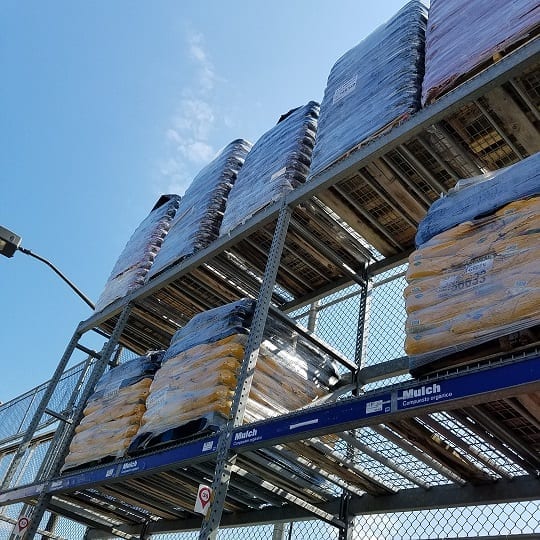
With about 160 Walmarts, 105 Costcos and 65 K-marts scattered around California, that’s a mountain of stacked merchandise waiting for the law of gravity and an avalanche. In court documents, Walmart admitted that it received a minimum of 17,000 customer injury claims in connection with falling merchandise over a six year period. It also received about 7,000 of such employee claims.